

06 FEBRUARY 2026
Transitions are a natural part of childhood, but for some children, even small changes can feel overwhelming. Leaving the house, switching activities, moving rooms in an early years setting, or preparing to start school may lead to anxiety or dysregulation. As a parent, it can be difficult to know how best to help. In this article, written by Dingley's Promise, they offer practical strategies to support smoother transitions and build confidence for you and your child.
6 minute read
Why transitions can feel hard
In the early years, children experience many types of transitions. Some are everyday changes, getting ready to go out, moving between activities, or adjusting to slight shifts in routine. Others are bigger steps, such as starting childcare, moving into a new age group, or preparing for school.
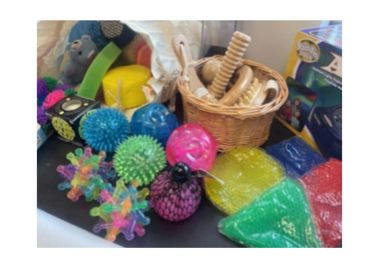
For neurodivergent children, changes can disrupt their sense of safety and predictability. However, when transitions are planned, communicated clearly, and approached consistently, they can become far more manageable. During this time, weighted blankets, clam boxes and sensory toys can help.
Supporting daily transitions
Successful transitions rely on time, preparation, and clear communication. Giving children advance notice helps them process what will happen next.
Use clear, concrete cues. Start with objects of reference, for example, show a nappy before a nappy change, or hand your child their coat to signal it’s time to leave. Over time, introduce photos, symbols, or a simple visual timetable to build understanding.
Work together with your child’s setting
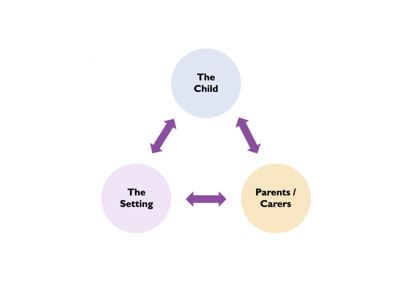
If your child attends an early years provision, try to use the same communication methods at home and in the setting. Consistency helps your child to feel secure.
Tools for smoother daily transitions
- Visual timers (e.g. 5‑minute sand timer)
- “Now” and “Next” photo prompts
- Objects of reference (keys, bus pass, etc.)
- A small photographic sequence of steps, e.g. leaving the house
- A familiar transitional object, such as a teddy
- Social stories or photo books about upcoming outings
Even with preparation, challenging days happen. Regulation strategies can help your child feel calmer and more in control.
Moving rooms or age groups
Many nurseries and preschools organise children into age‑grouped rooms. Moving into a new room can feel unsettling.
Ways to support this transition:
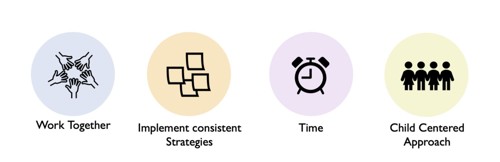
- Talk openly with your child’s setting: Share what works well at home and discuss any concerns.
- Discuss possible adjustments: If your child receives DLA, the setting may be able to access DAF funding to support transition needs.
- Keep communication aids consistent: Use the same objects of reference, visuals, and symbols at home and in the setting.
- Be flexible: Ask about settling‑in procedures and explore adjustments if needed.
- Connect early: Building a relationship with the new key person helps your child feel safe.
Preparing for the big step to school
Starting school is a major milestone. Ideally, preparations begin in the
autumn term of the pre‑school year. Visit a range of mainstream and
specialist schools appropriate to your child’s needs. Ask questions to
understand what school will look like for your child, such as:
- Can my child wear sensory‑friendly clothing?
- Can they bring packed lunches with familiar foods?
- What toileting or intimate care support is available?
- How is learning adapted for individual needs?
Supporting your child before school
- Practise with their new lunch box
- Read books about starting school
- Create personalised social stories
- Ask the school for photos of staff and classrooms
- Attend taster sessions in a way suited to your child
- Invite the school to TAC meetings where possible
How is a specialist school different from a mainstream one?
A specialist school supports children whose needs cannot be fully met in mainstream settings. These schools typically offer:
- Highly trained staff
- Adapted and flexible curriculum
- Sensory‑friendly spaces and specialist equipment
- Smaller class sizes and higher staffing ratios
Looking after your child and yourself